

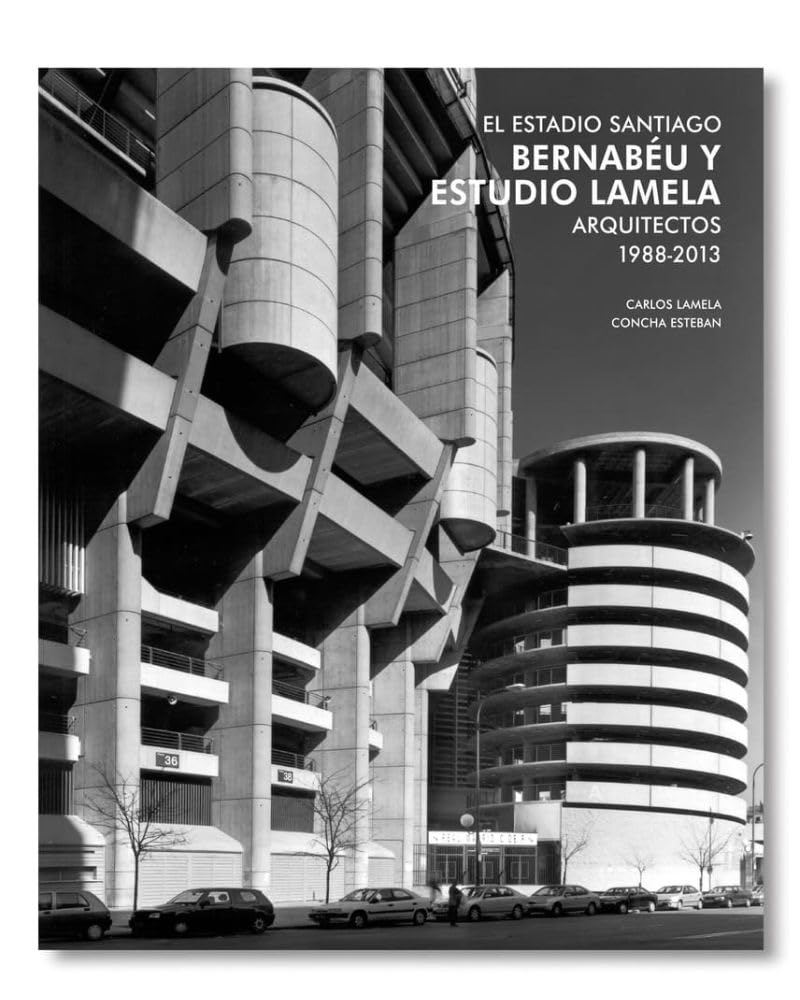
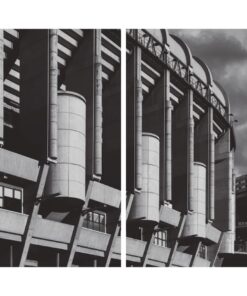
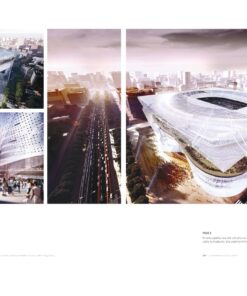
TC: El estadio Santiago Bernabéu y Estudio Lamela
34.00 € uklj. PDV
Na zalihi
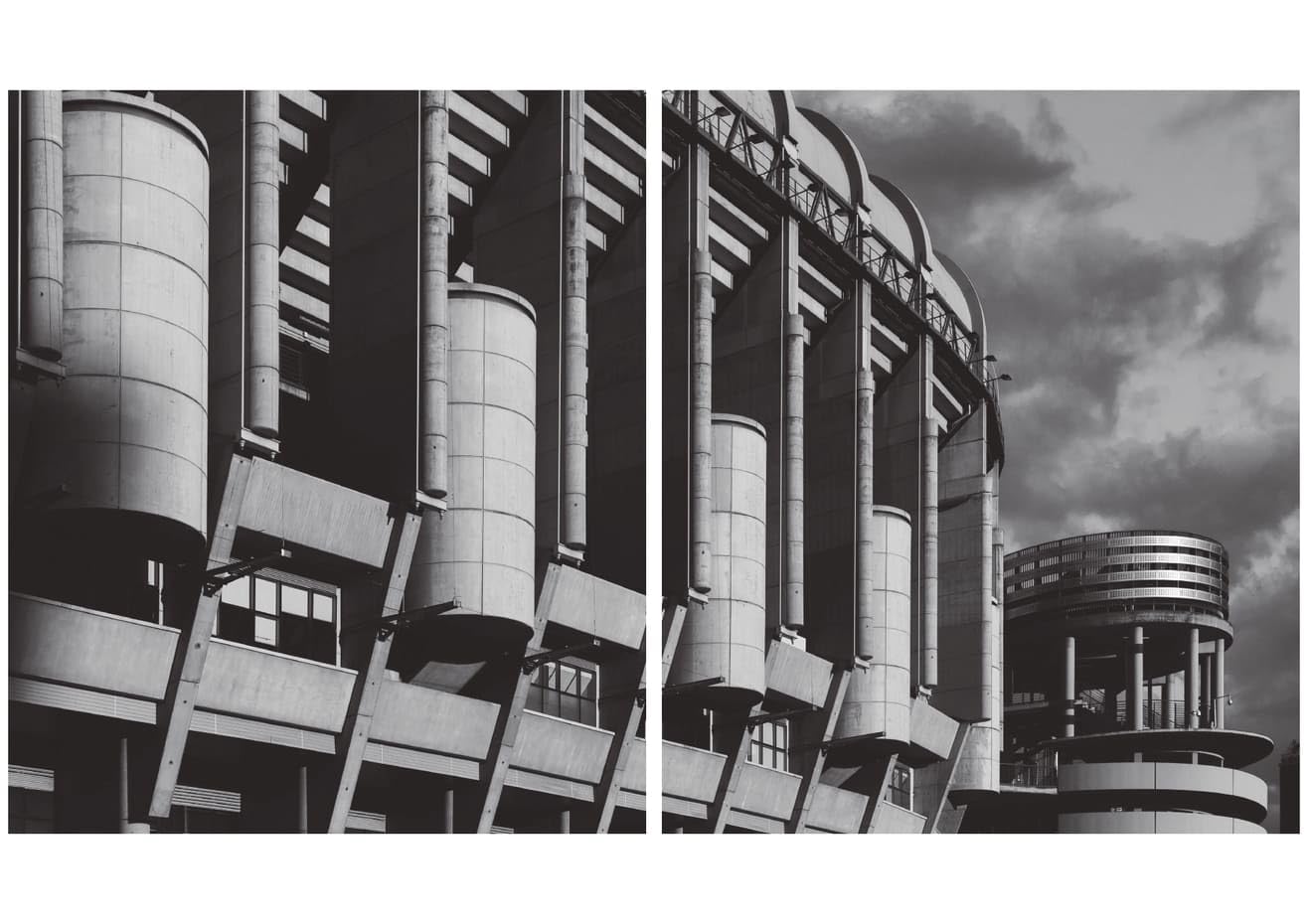
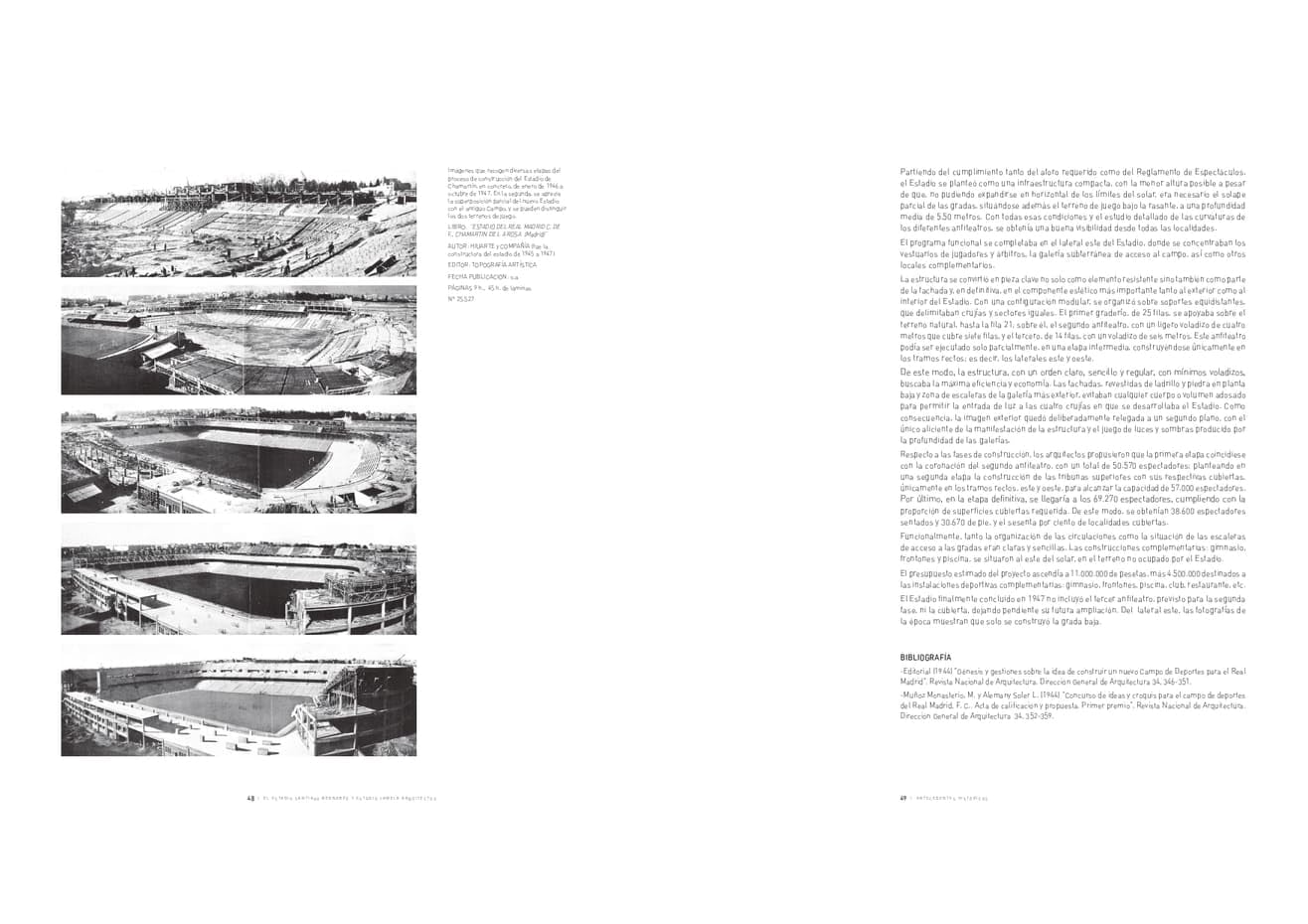
The Santiago Bernabéu Stadium is an exceptional urban landmark. Its transformation over almost eighty years, since its beginnings in 1947, has been a constant architectural and technological challenge that has accompanied the evolution of football itself. More than just a building, the stadium is a major piece of infrastructure, designed from the outset as a key part of the urban planning and model of Madrid in the 1940s.
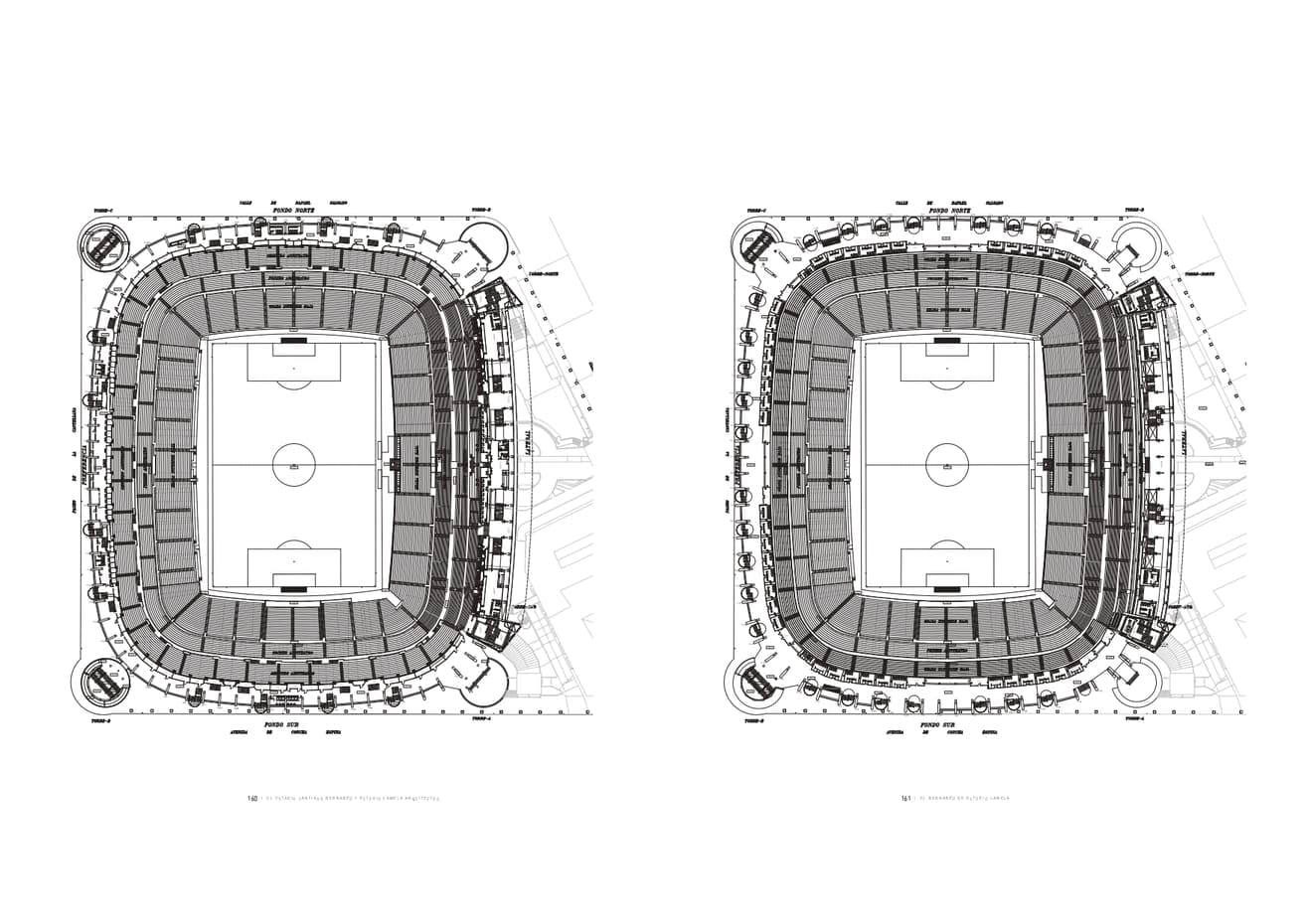
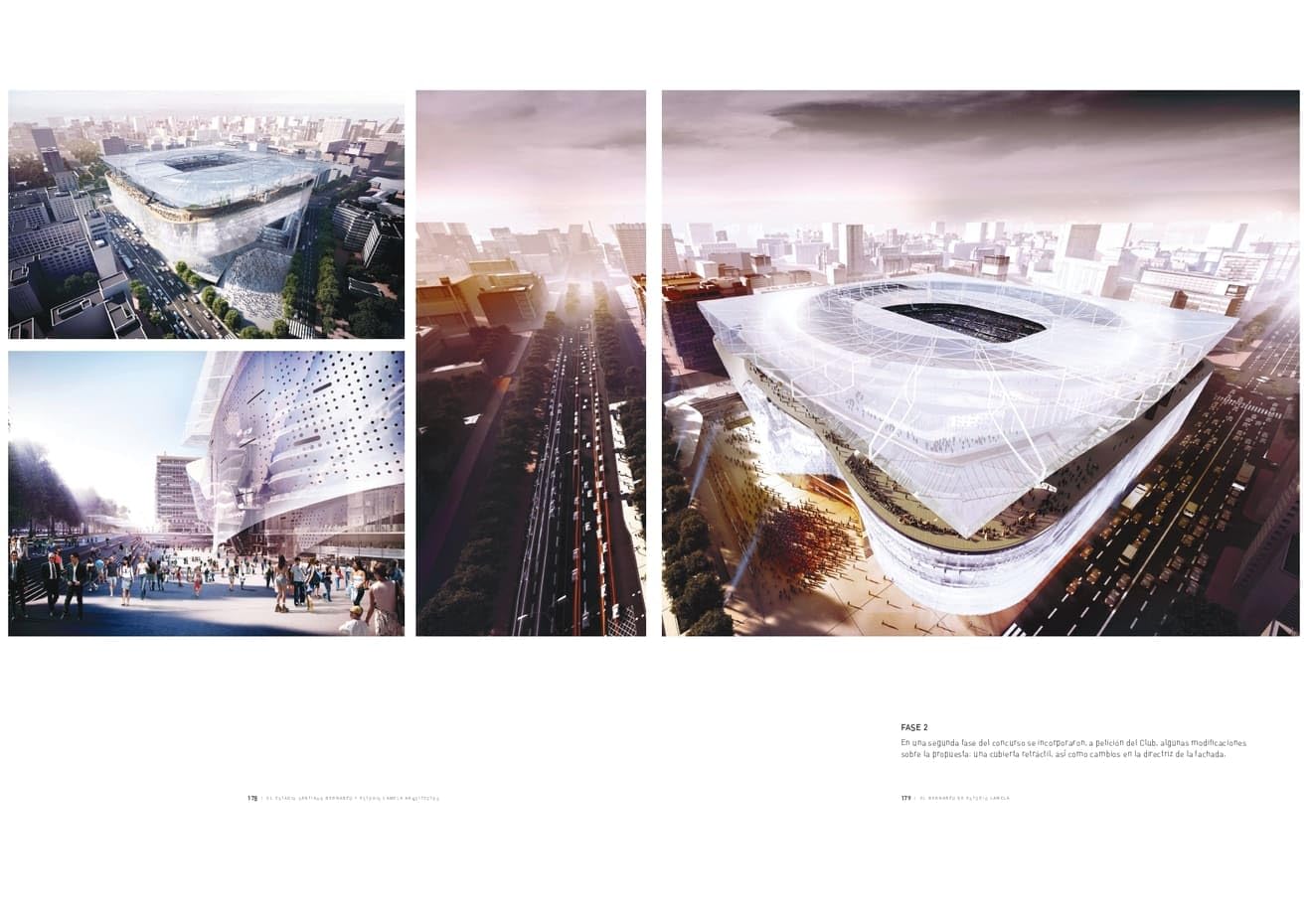
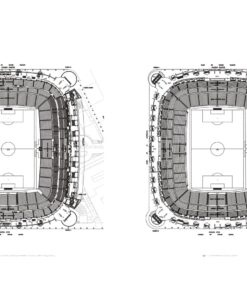
Since its inauguration, a perfect link has been forged between the city and Real Madrid C. de F. The extension carried out by Estudio Lamela marked a spectacular transformation that ushered in a “new era of football”. Beyond the significance of the structural solution, a significant change in scale was tackled, resolved by the new hierarchy established among all elements and, ultimately, by the incorporation of an architectural and plastic language in line with the extent of the transformation and the new functionality.
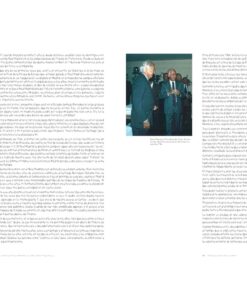
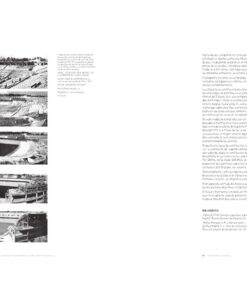
The difficulty of the intervention is reflected in the complex construction process, conducted with the most avant-garde techniques of the time. The “insider’s view” provided by Carlos Lamela, an architect and a member of the club since childhood thanks to the passion and Madridismo of his father, Antonio Lamela, brings us closer to understanding the importance of football as a social phenomenon and the decisive contribution of architecture in the process of its constant transformation.
| autor | Carlos Lamela and Concha Esteban |
|---|---|
| broj stranica | 200 |
| god. izdanja | 2026. |
| izdavač | TC CUADERNOS |
| jezik | španjolski |
| uvez | meki |
Budite prvi koji će recenzirati “TC: El estadio Santiago Bernabéu y Estudio Lamela”
Morate biti prijavljeni da biste objavili recenziju.
Povezani proizvodi


Arhitektura

Recenzije
Još nema recenzija.